
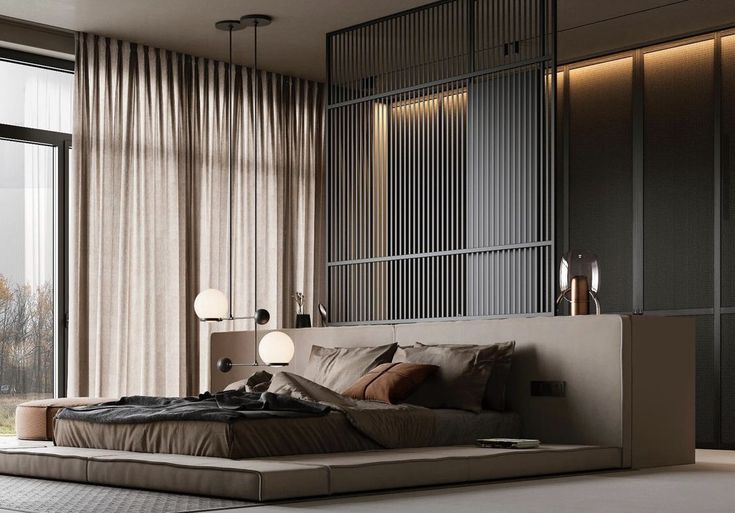
The Emotion of Space: How to Create an Interior That Makes a Lasting First Impression
Some interiors are easy to describe as beautiful but difficult to remember the very next day. Others need only a few seconds to convey their character: a sense of calm, privacy, energy, elegance, or the desire to stay a little longer.
This impression is not created by a single statement chandelier or an expensive finish. The emotion of a space emerges when the layout, lighting, materials, and details work together as one cohesive composition.
Why a Beautiful Interior Is Not Always Memorable
A visually flawless space can still feel emotionally empty. This often happens in interiors assembled from current design trends: a neutral color palette, popular furniture, decorative lighting, and a few art pieces. Everything looks correct, yet the space lacks its own identity.
People remember an interior not because of the number of details, but because of a clear design concept. They may not recall the brand of stone or the designer of a chair, but they will remember the soft evening light, the scale of the living room, the quiet atmosphere of the bedroom, or the sense of privacy at a restaurant table.
Research into interior perception increasingly confirms that people evaluate spaces using multiple criteria rather than a single factor. In a 2026 study, 28 participants watched 224 videos of residential interiors and evaluated them across 15 attributes, including lighting, relaxation, and overall aesthetic impression. The findings demonstrate how layered our emotional response to an environment truly is.
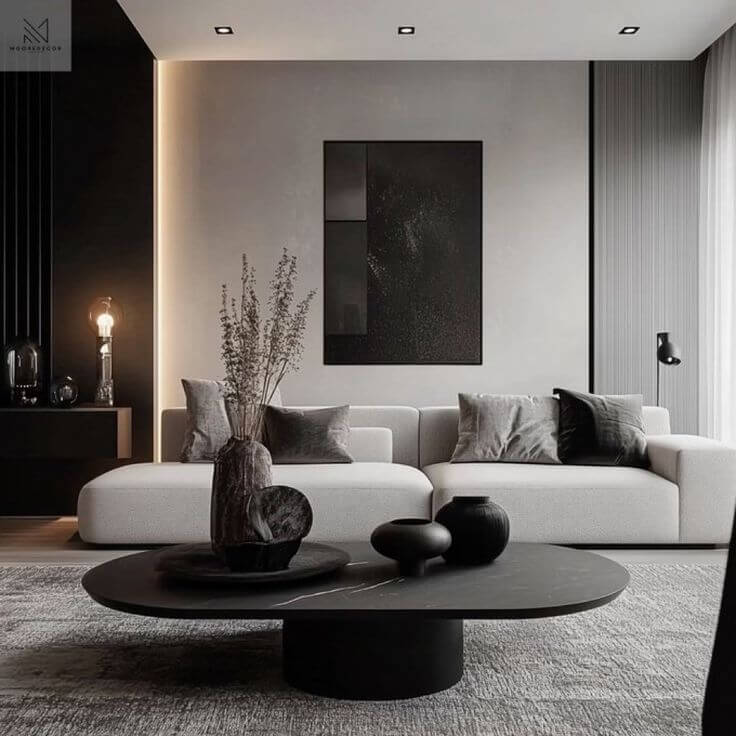
Start with Emotion, Then Define the Style
Beginning an interior design project by choosing a style alone is too narrow an approach. Contemporary classic, minimalism, or Art Deco describe a visual language, but they do not answer the most important question: what should a person feel upon entering the space?
For a private home, the desired emotion may be security and tranquility. For a hotel, it may be the feeling of exceptional service even before speaking to the staff. For a restaurant, it could be intimacy, the energy of the evening, or social openness. For an office or showroom, it is confidence in the brand.
The chosen emotion shapes every design decision:
- the proportions and openness of the spaces;
- the intensity and color temperature of the lighting;
- the texture of surfaces;
- color contrast;
- the density of furniture placement;
- the number of visual focal points;
- the way people move through the space.
Without this foundation, even an expensive premium interior design project risks becoming nothing more than a collection of visually impressive elements.
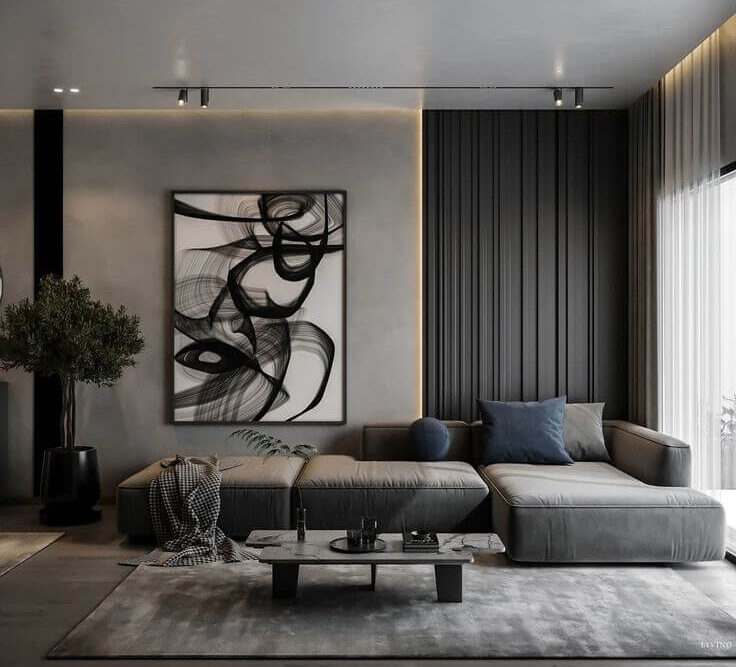
One Strong Statement Is Better Than Ten Accents
The desire to make an interior unforgettable often leads to excess. A space becomes filled with expressive stone, decorative wall panels, complex ceiling designs, designer furniture, bold artwork, and multiple lighting systems.
Each element may be exceptional on its own, but together they begin competing for attention.
The strongest interiors usually have a clear visual hierarchy. One feature becomes the focal point of the composition, while everything else supports it. This focal point might be a panoramic view, a staircase, a fireplace, a bar area, a monolithic kitchen island, or a piece of contemporary art.
This approach does not mean simplifying the design. On the contrary, it requires precision. A designer must understand where the space needs visual calm and where it needs a dramatic climax.
Lighting Creates the Mood Before Décor Does
The same interior can feel cool during the day, intimate in the evening, and theatrical during a social gathering. The difference lies not in the finishes but in the lighting design.
An emotionally engaging interior is rarely built around a single ceiling fixture. Instead, it combines ambient, task, accent, and concealed lighting. It is important not only to illuminate the room but also to define:
- which surfaces remain in shadow;
- what naturally attracts attention first;
- how the atmosphere changes in the evening;
- whether the space remains comfortable over long periods.
In a restaurant, lighting influences both privacy and the evening dining experience. In a hotel, it shapes the first impression of the lobby and the comfort of the guest room. In a private residence, it helps separate active moments from quiet ones throughout the day.
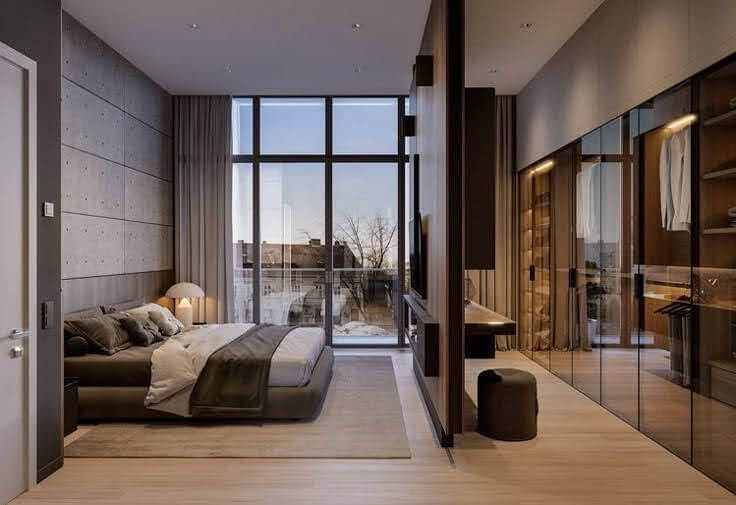
Materials Should Be Experienced, Not Just Seen
The emotion of an interior is created through touch, acoustics, surface temperature, and the way materials evolve over time.
Polished stone creates a completely different feeling from stone with a natural texture. Dark wood adds depth, matte metal introduces restraint, while textiles soften large architectural volumes.
Architect Peter Zumthor expressed this idea perfectly: “Materials react with one another and possess their own radiance.”
That is why professional material selection goes far beyond choosing attractive samples. Designers must evaluate how wood, stone, metal, glass, and textiles interact under real lighting conditions and within the actual scale of the space.
A Space Should Tell a Story
People experience an interior in motion rather than as a static image. They enter, notice the first focal point, change direction, and move from open areas into private ones.
If every room is equally bright, open, and visually intense, the experience quickly becomes monotonous. Memorable interiors rely on changes in rhythm:
- a narrow hallway opens into a spacious living room;
- a restrained entrance hall leads to a striking restaurant dining area;
- an active shared space transitions into a peaceful bedroom;
- cool stone gives way to warm wood and soft textiles.
This creates the narrative of the space. It is especially important in public interior design, where the environment should not only impress visitors but also guide their movement and influence their behavior.
What Most Often Destroys the Emotion of an Interior
The most common mistake is trying to impress people with every square meter. Without moments of visual pause, there can be no truly memorable moments.
Emotional consistency is also weakened by:
- copying a reference interior without adapting it to the project;
- choosing materials separately from the lighting concept;
- decorating without thoughtful space planning;
- mixing several equally dominant design ideas;
- replacing key materials with cheaper alternatives during construction;
- the absence of design supervision during implementation.
Emotion-driven interiors cannot be created piece by piece. Even excellent individual solutions lose their impact if they are not united by one coherent concept.
How Cult of Design Approaches This Process
At Cult of Design, every interior begins not with a furniture catalog but with the people, the brand, and the unique character of the property. The team first defines the desired emotional experience and then develops the layout, lighting scenarios, material palette, and compositional focal points.
For private residences, everyday living scenarios, comfort, and individuality become the foundation of the design. This approach can be seen throughout the company’s residential design projects.
For hotels, restaurants, and public interiors, aesthetics are combined with visitor flow, brand recognition, and the overall guest experience. Design supervision helps preserve the original concept throughout construction, where even minor substitutions of materials or lighting can significantly affect the emotional quality of the space.
If you want to commission an interior that people remember for more than just its photographs, success depends not on the number of spectacular features but on a strong concept, precise attention to detail, and a deep understanding of how people should feel within the space.
-
 Rectangle & Square House At Brooklyn July , 20th, 2018
 -
 Discover Architecture Of Bario Lodge July , 20th, 2018
 -
 Rennovate Exterior With Garden On Top July , 20th, 2018