
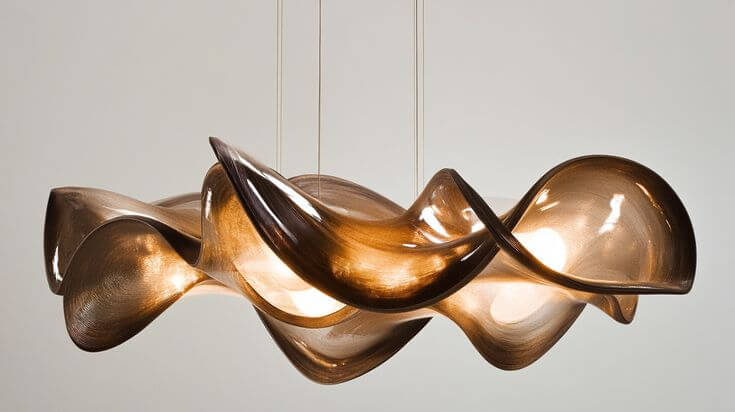
Premium Lighting Trends in 2026: Light as the Main Accent of Interior Design
In 2026, premium lighting is no longer perceived as a secondary detail. It serves two roles at once: as an art object and as a tool that transforms the perception of space. That is why lighting is increasingly integrated into the concept from the very beginning rather than being left until the final stages. Castro Lighting notes that luxury lighting in 2026 is evolving into an art form where sculptural aesthetics, craftsmanship, and functionality come together.
And this is not only about aesthetics. According to the Lutron 2026 Luxury Residential Trend Report, 94% of designers and architects say that their clients consider lighting design very important, 67% of affluent homeowners also rate it as highly important, and 47% of professionals believe that poor lighting can diminish the value of even the most expensive architecture and finishes.
1. Lighting Fixtures as an Accent, Not Just a Light Source
One of the most noticeable trends of 2026 is statement lighting. These are lighting fixtures that act as a central visual feature: sculptural chandeliers, expressive pendant lights, and compositions made up of multiple light sources. Castro Lighting specifically highlights bold sculptural chandeliers and statement pieces as defining elements of premium interiors.
For private clients, this means something simple: in premium interior design, lighting can be the element that instantly sets the level of a space without relying on excessive decoration.
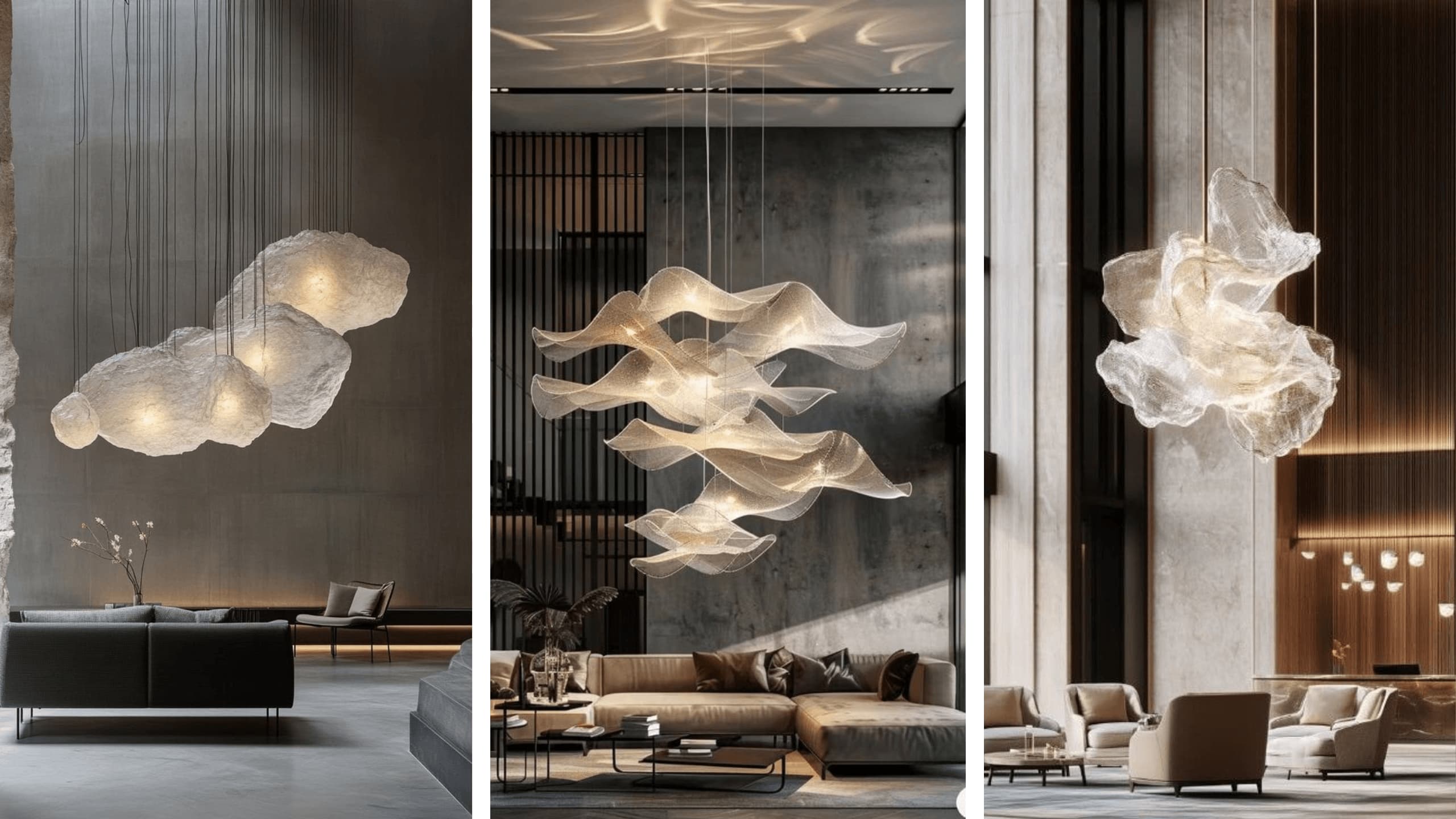
2. Layered Lighting Instead of a Single Main Scenario
The concept of one chandelier per room is becoming increasingly outdated in luxury interiors. In 2026, the focus is on layered lighting:
- general lighting;
- task lighting;
- accent lighting;
- hidden ambient lighting.
This approach allows spaces to be zoned without physical partitions. For villa design, hotel design, and restaurant design, this is especially important because lighting influences how people perceive a space, where their attention is drawn, and how comfortable they feel staying in a particular area.
3. Warm Lighting Instead of Cold Technical Illumination
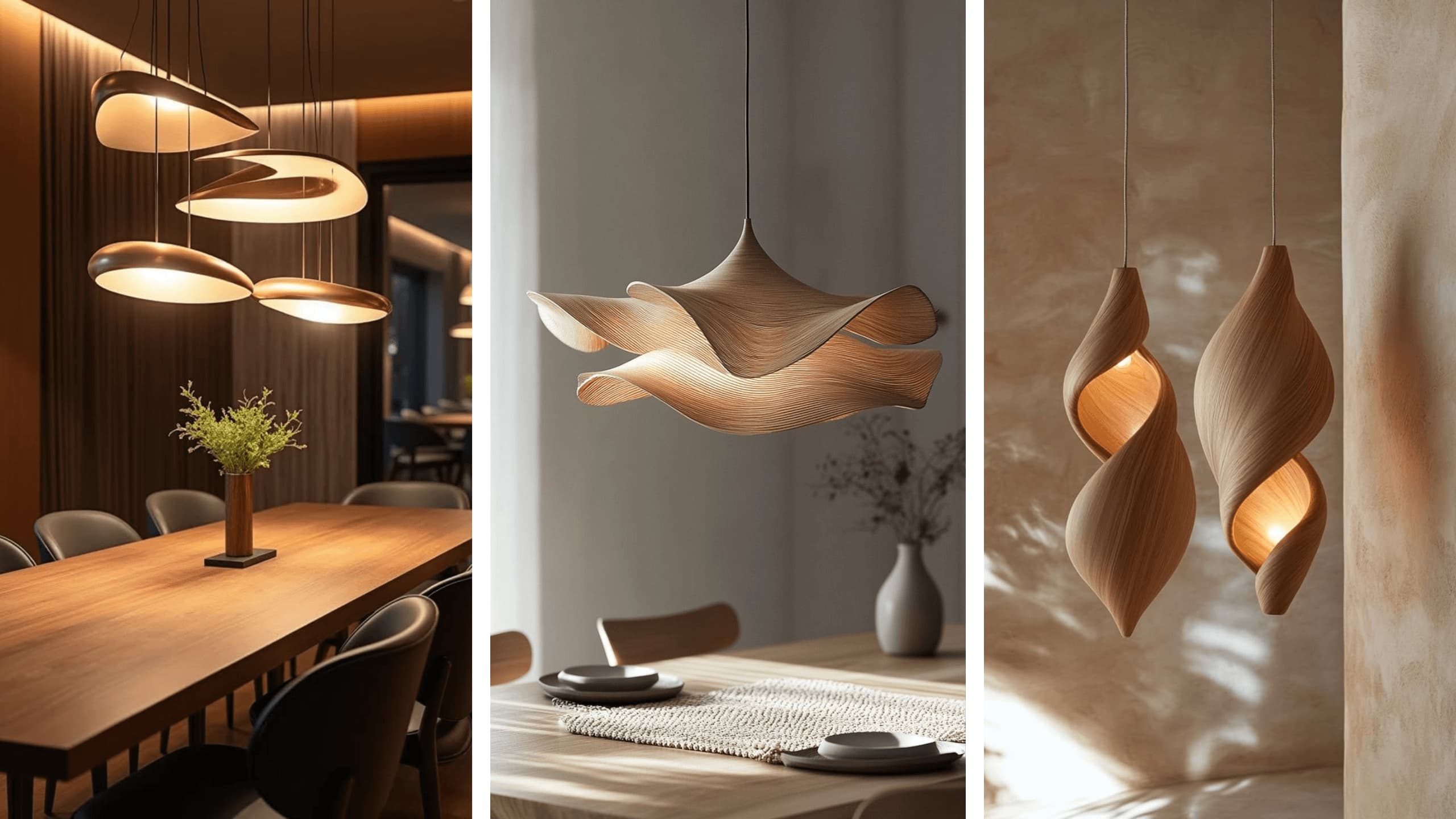
Another clear direction is the move away from harsh, cold lighting toward warmer and softer lighting scenarios. Veranda identifies warm lighting, amber tones, smoky glass fixtures, and a general shift toward more comfortable and residential atmospheres as key trends for 2026.
This is important for both residential and commercial spaces. Cold lighting often diminishes the premium feel of even the most expensive interiors. Warm lighting, on the other hand, enhances the textures of wood, stone, and textiles, making a space appear more sophisticated and valuable. That is why lighting should never be considered separately – it is an integral part of the overall design concept.
4. Lighting as a Zoning Tool
In 2026, lighting increasingly solves not only decorative but also spatial planning challenges. Different lighting scenarios can be used to:
- separate a dining zone from a lounge area;
- highlight a bar or reception area;
- create private corners within an open-plan layout;
- change the atmosphere of a space throughout the day.
For restaurant design, this means creating the right evening ambiance and increasing the perceived value of the guest experience. For turnkey hotel design, it enables more precise zoning of lobbies, guest rooms, corridors, and public areas without creating a sense of visual overload.
5. Intelligent Lighting and Personalized Scenarios
In its 2026 trend report, Lutron notes growing demand for dynamic lighting, automated shades, and personalized controls. At the same time, 50% of affluent homeowners prioritize ambience, while 44% believe that effective lighting provides wellness benefits.
This means that smart lighting in the premium segment is becoming less about the wow factor and more about comfort:
- daytime and evening lighting scenarios;
- soft nighttime modes;
- dedicated settings for guests;
- integration with shades and climate control systems.
Modern turnkey interior design no longer views lighting as simply a collection of fixtures. It has become an integral part of lifestyle design.
“The best lighting doesn’t compete with a space – it completes it.” – Julee Ireland, Julee Ireland Design Studio.
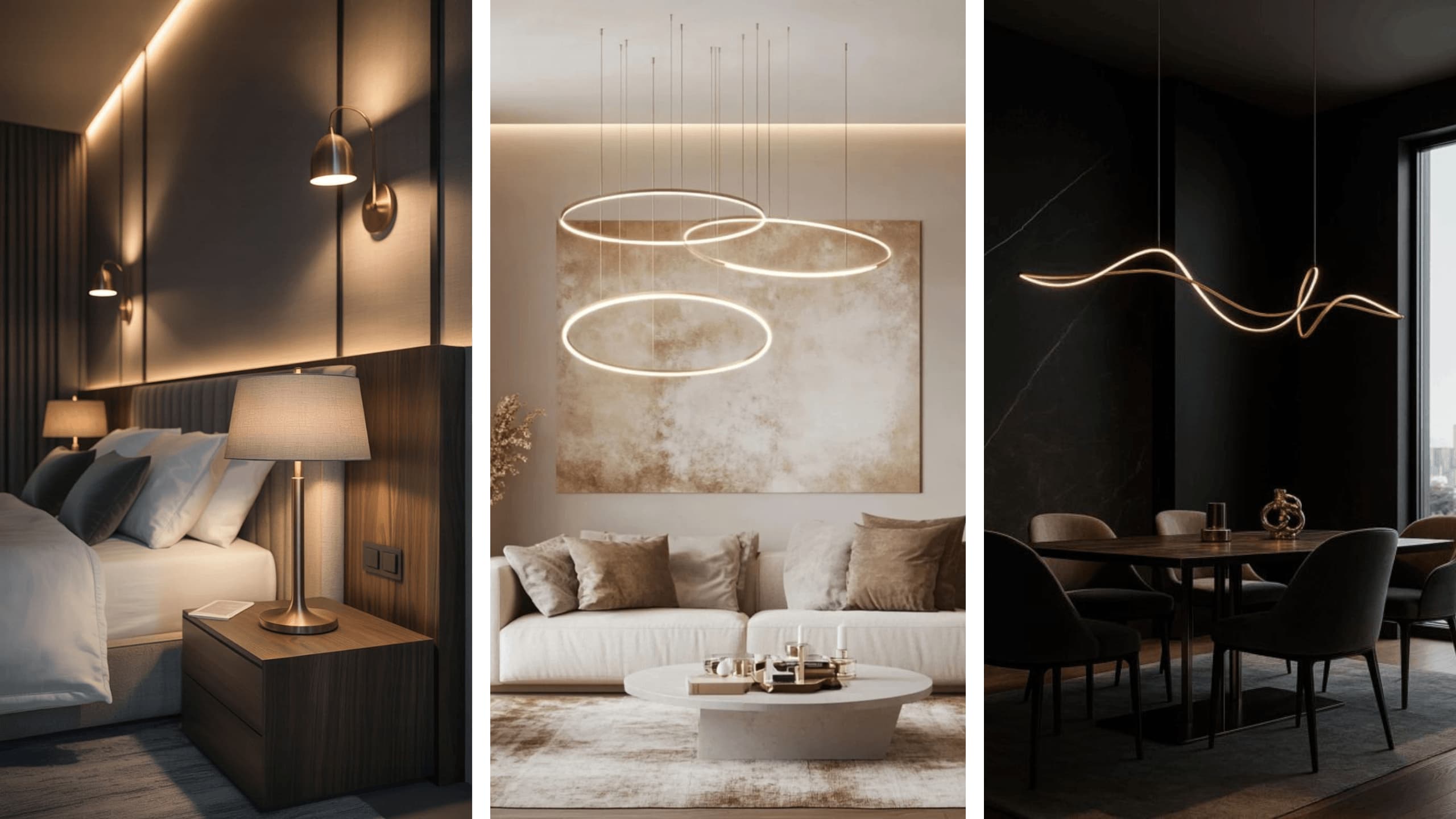
6. Lighting Solutions That Are Especially Relevant in 2026
The most effective solutions today include:
- sculptural chandeliers and pendant lights;
- bronzed, smoky, and textured glass;
- hidden LED lighting without visual clutter;
- wall lights and sconces integrated into architectural elements;
- a combination of decorative fixtures and subtle ambient lighting.
These solutions work equally well in private interiors and public space design, where the quality and status of the space should be immediately recognizable.
How Cult of Design Approaches Lighting
At Cult of Design, lighting is viewed not as a finishing touch but as a core part of the concept. This is important whether you are looking to order interior design services, develop a villa design project, create a restaurant interior, or design a hotel.
Well-designed lighting does more than illuminate a space. It makes the interior feel more refined, more layered, and more thoughtfully crafted.
-
 Rectangle & Square House At Brooklyn July , 20th, 2018
 -
 Discover Architecture Of Bario Lodge July , 20th, 2018
 -
 Rennovate Exterior With Garden On Top July , 20th, 2018