
What Materials Are Chosen for Luxury Interiors in 2026: Wood, Stone, Metal, Glass, and Textiles
When it comes to premium interior design, the first thing that truly shapes the impression is not the décor or even the size of the space. Everything starts with materials. They define the level of the interior, its tactility, depth, durability, and that feeling of expensive, but without unnecessary noise.
In 2026, luxury interior design continues to move toward natural textures, sophisticated combinations, and carefully layered compositions. You want to see not just a beautiful image, but an environment that feels refined, comfortable, and remains relevant for years.
That is why material selection today is not a technical detail, but one of the key foundations of authorial interior design. If materials are chosen correctly, the space feels cohesive. If not, even an expensive renovation can leave a sense of randomness.
Below, we will explore the five materials that most often define premium interior design in 2026: wood, stone, metal, glass, and textiles.
Wood: The Foundation of Premium Interior Design
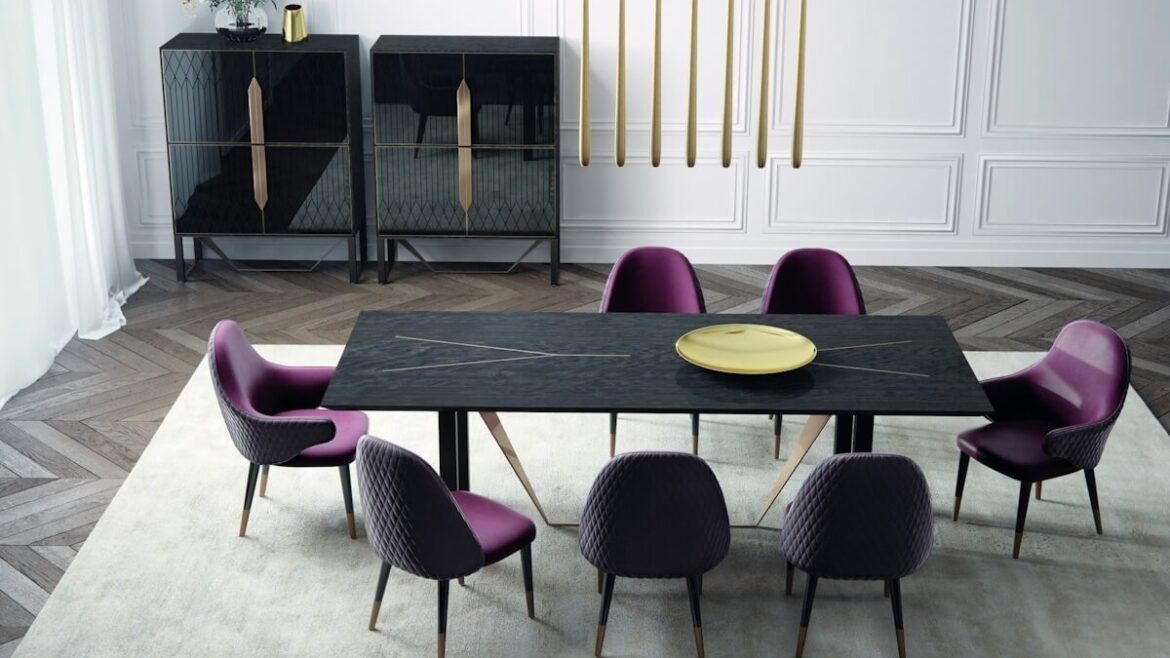
Wood has long become a classic, but in 2026 it sounds different. While lighter neutral shades used to dominate, today the focus is on richer, deeper, and warmer tones. Darker wood adds weight, intimacy, and visual maturity to a space.
Wood works especially well where you need more than just a beautiful background – you need character. It can appear in custom millwork, wall panels, doors, cabinetry, large storage systems, or bespoke furniture created specifically for a particular space. Very often, wood becomes the foundation around which the entire concept is built.
For studios working in the interior design turnkey segment, wood is also valuable because it adapts easily to different styles: from restrained contemporary classic interiors to minimalism, boutique luxury, or soft eclecticism. It combines beautifully with stone, metal, and textiles, allowing you to create interiors with depth rather than flatness.
Stone: The Material That Instantly Elevates a Space
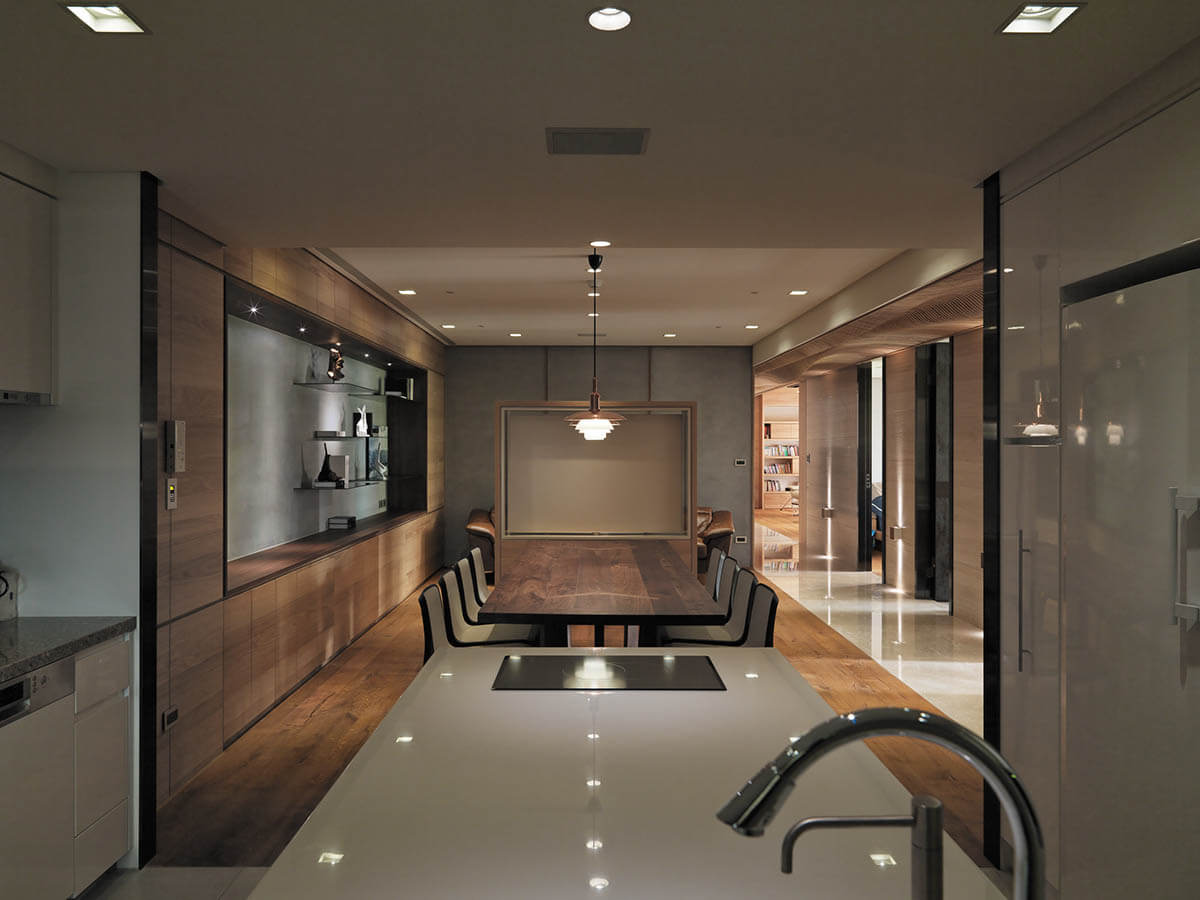
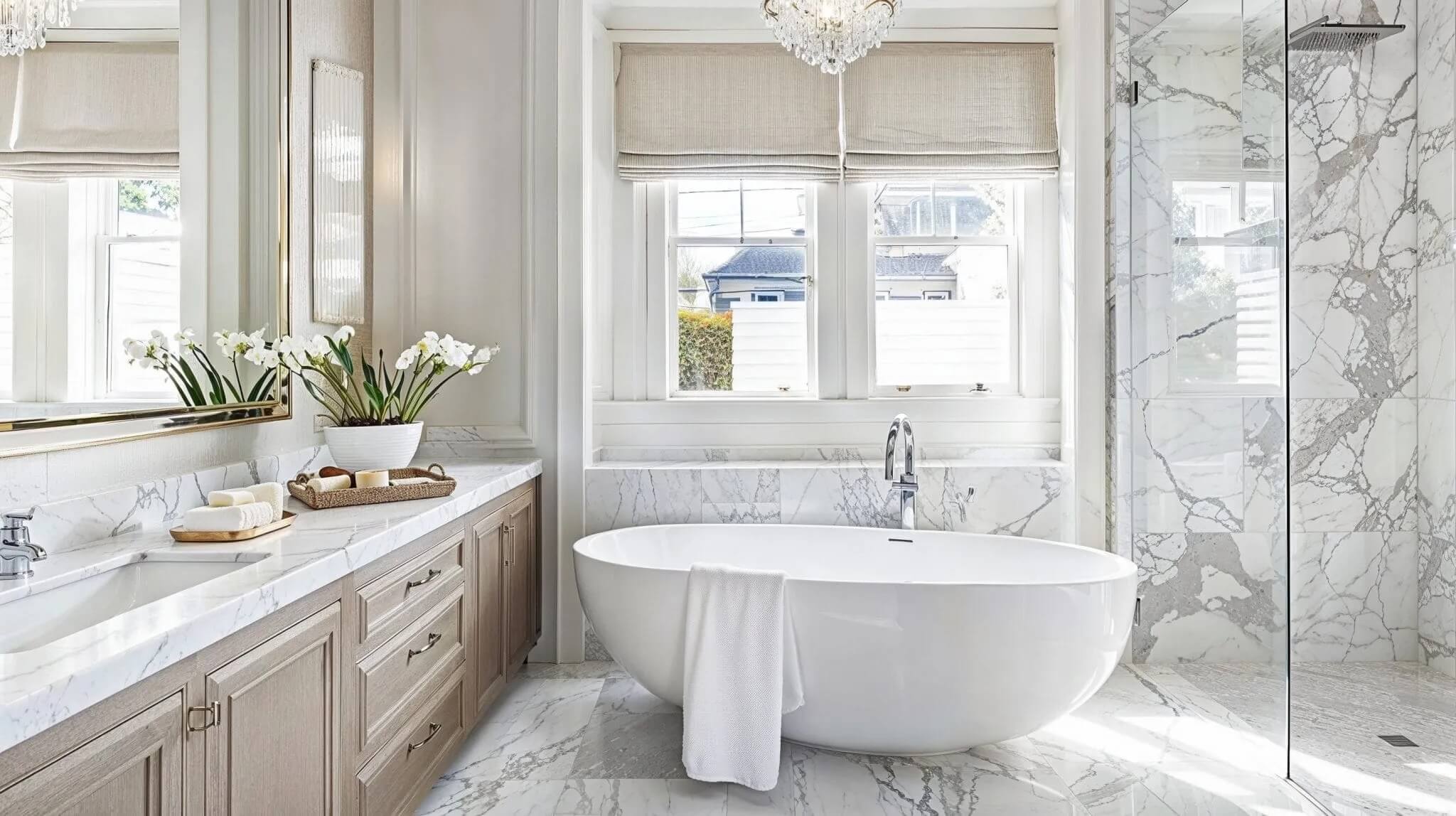
If wood adds warmth, stone gives the interior status. That is why it is often used in spaces where a strong first impression matters: living rooms, kitchens, halls, bathrooms, reception areas, and projects requiring premium hotel design or restaurant design.
In 2026, the focus shifts from simply using expensive stone to a more holistic approach. What matters is not only the material itself, but also how it is placed within the space: whether the pattern feels calm, whether there is a sense of monolithic continuity, and whether the stone supports the architecture of the interior.
For hotel interior design projects, stone is especially valuable because it combines a prestigious appearance with durability. The same applies to restaurant interior design, where practicality in everyday use is just as important as aesthetics.
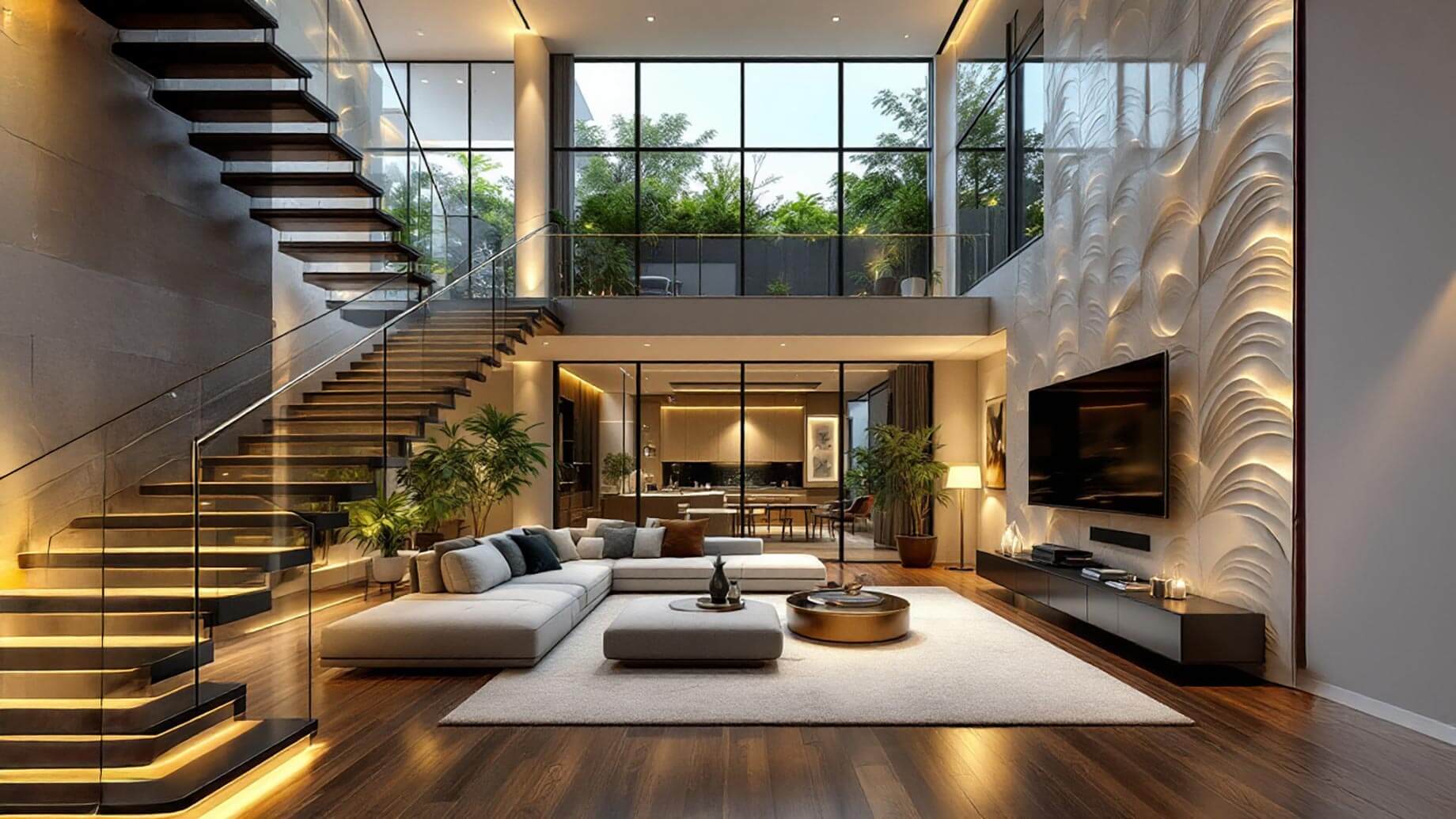
Stone works beautifully in countertops, walls, bar areas, consoles, tables, and decorative surfaces. It also pairs exceptionally well with warm wood and soft textiles – exactly the kind of contrast that currently defines luxury environments.
Metal: The Detail That Brings the Design Together
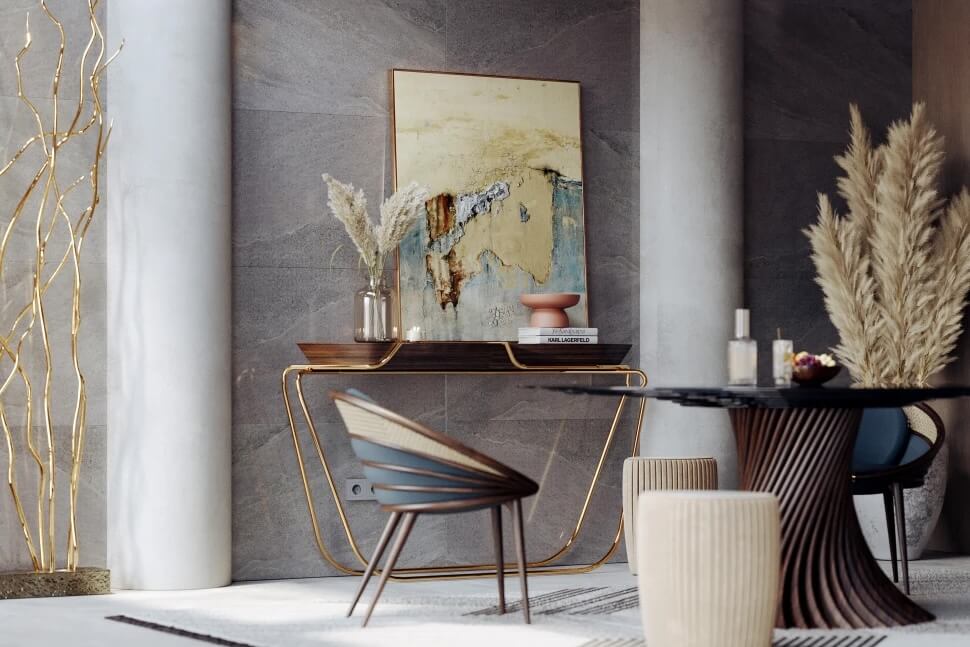
In premium interiors, metal rarely plays the leading role, but it is often what ties the entire design together. Simply put: wood and textiles provide emotion, stone provides weight, and metal adds structure and precision.
In 2026, less reflective and more restrained metal finishes are especially relevant: matte, satin, warm, and deep-toned surfaces. They do not overload the space and work beautifully in details such as hardware, furniture legs, partitions, lighting fixtures, frames, trims, handles, and profiles.
This becomes particularly important in turnkey restaurant design or turnkey hotel design projects. In such spaces, details shape perception because people experience interiors through touch as much as through sight: a door handle, a bar counter, the edge of a table, or the arm of a chair. That is why metal in a high-quality project should never feel random – every tone and texture must be intentional.
In premium interior design, metal works best when it supports the other materials rather than competes with them.
Glass: The Lightness That Prevents Luxury from Feeling Heavy
When an interior already includes wood, stone, textiles, and metal, there is a risk that the space may become visually too dense. This is where glass becomes the material that introduces air and lightness.
In 2026, glass is actively used not only as a functional element, but also as part of the overall aesthetic. It can be tinted, ribbed, smoked, bronze-toned, transparent, or semi-matte – depending on the atmosphere you want to create.
In private projects, glass helps make interiors feel lighter and more elegant. In restaurant interior design and hotel interior design, it also works as a zoning tool without blocking light or overloading the volume of the space.
Glass combines especially beautifully with wood and metal. These combinations are often used in showcases, partitions, custom millwork, doors, wardrobe fronts, and furniture. If you want to create an interior that looks luxurious but not massive, glass is almost always the right solution.
Textiles: The Material Responsible for Comfort
There is one thing many people underestimate: a luxury interior should not only look beautiful, but also feel pleasant. That is why textiles take center stage in 2026.
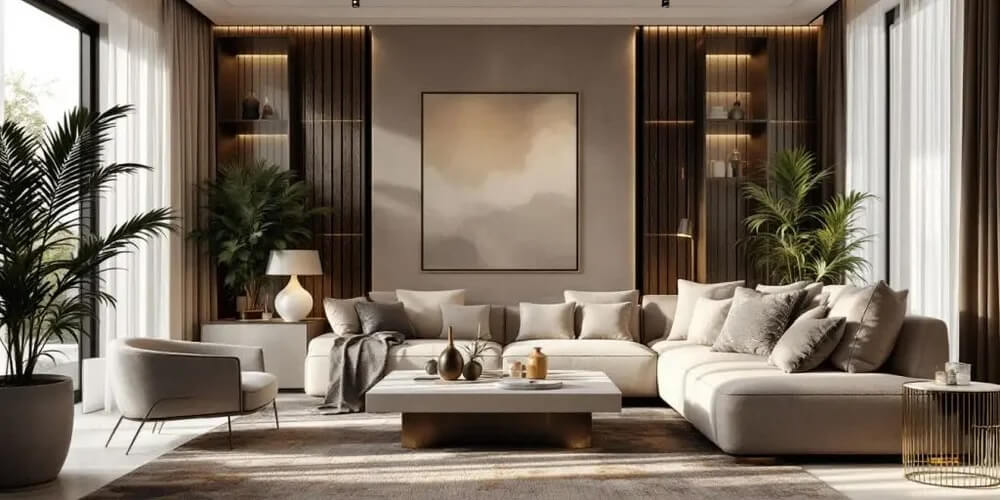
Curtains, upholstery, decorative pillows, rugs, soft panels, and headboards do not simply complete a space – they shape its emotional atmosphere. Without textiles, an interior may look expensive but feel cold. On the other hand, carefully selected textiles make the space feel cohesive, warm, and alive.
For projects requiring luxury interior design, textiles are also essential because of tactility. In 2026, you pay increasing attention not only to how a material looks, but also to how it feels to the touch, how it behaves in light, and how it interacts with wood, stone, and metal.
In hotel and restaurant design projects, textiles also affect acoustics, atmosphere, and the overall perception of quality. Sometimes it is precisely the curtains, upholstery, or texture of the chairs that create the feeling that a space looks more expensive, even without loud decorative solutions.
Material Combinations That Are Especially Relevant in 2026
To make an interior feel truly premium, it is important not only to choose expensive materials, but to combine them correctly. The most relevant combinations today include:
- dark wood + light stone – for depth and status;
- stone + matte metal – for a modern, clean effect;
- wood + glass – for a lighter and more elegant aesthetic;
- textiles + wood + metal – for balance between comfort and structure;
- stone + textiles – for contrast between solidity and softness.
This is the true strength of authorial interior design: not simply selecting materials separately, but combining them into a space that works as one complete system.
Why Materials Matter to Clients Planning to Order Interior Design
When you read about materials, you are often already quite close to the decision to order interior design services. Looking at inspiration images is no longer enough. You want to understand what to choose, what will remain relevant, what will last for years, and what may lose its appeal after only a short time.
That is why articles like this work so well for lead generation. They allow a studio to demonstrate expertise without direct pressure. Through the topic of materials, you can see how deeply the team understands not only aesthetics, but also practical application: how to combine textures, avoid visual overload, and create premium spaces that remain relevant in real life.
For those searching for interior design pricing, hotel design costs, restaurant design pricing, or planning to order restaurant design or hotel design, this type of content often becomes the trust point before making contact.
How Cult of Design Works with Materials
Cult of Design creates projects where materials do not exist separately from the concept. It is not only about choosing beautiful wood or expensive stone, but understanding how these materials will work together in a specific environment – whether it is a private residence, turnkey hotel design, or turnkey restaurant design.
The team considers not only the visual aspect, but also the logic of material use: durability, relevance, compatibility with furniture, lighting, hardware, and the way people will live or work within the space.
So if you are currently planning to order interior design, renovate a commercial space, or find a studio that creates premium interior design with attention to detail, the Cult of Design approach is about a complete solution rather than a random collection of beautiful elements.
You can learn more about the studio’s services, completed projects, and design philosophy on the main page of the Cult of Design website, as well as on the pages dedicated to interior design, hotel design, and restaurant design.
-
 Rectangle & Square House At Brooklyn July , 20th, 2018
 -
 Discover Architecture Of Bario Lodge July , 20th, 2018
 -
 Rennovate Exterior With Garden On Top July , 20th, 2018